All Categories
Featured
Table of Contents
Adjusting Business Logistics for the Regional Market in 2026
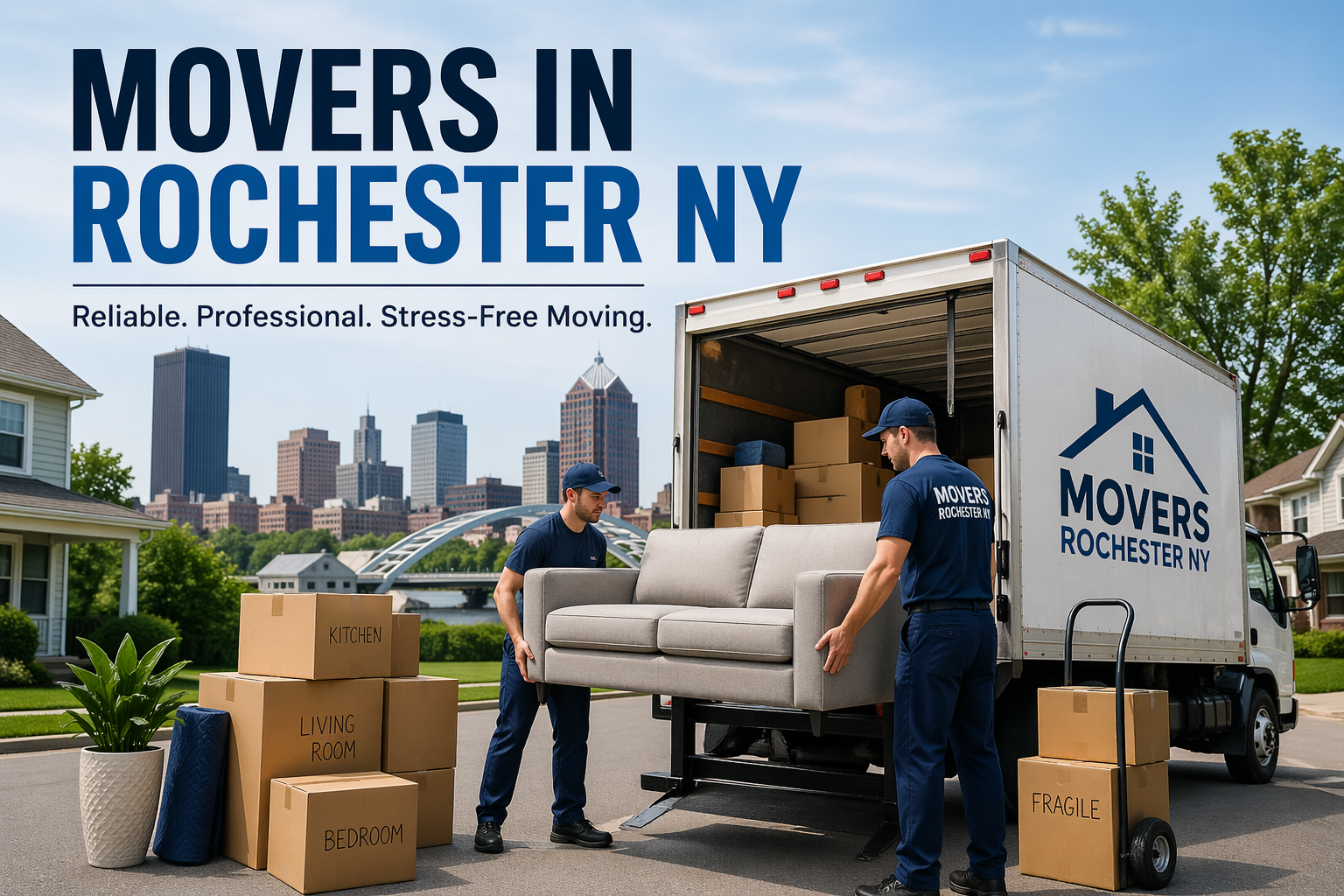
The corporate environment in 2026 has moved far from the huge centralized head office of the previous years towards decentralized, state-of-the-art centers. This change has essentially modified how services approach moving. Moving an office is no longer just a matter of carrying desks and filing cabinets. It involves the complex migration of digital facilities, the physical transfer of specialized hardware, and the cautious management of employee expectations. Companies in the local area are discovering that standard techniques of moving frequently fail when faced with the specific needs of a contemporary, hybrid labor force.
Efficient moving techniques now start months before the first box is loaded. Effectiveness in 2026 relies on data-driven preparation. Project supervisors use digital mapping to picture the brand-new office design, ensuring that every furniture piece and every server rack has actually a designated spot that optimizes workflow. This spatial awareness prevents the common bottleneck of furnishings coming to a new website only to be shuffled around due to the fact that it obstructs a power outlet or a ventilation duct. By the time the physical move begins, the digital plan has already been checked and approved.
Property management has also end up being a top priority for companies aiming to cut costs and satisfy sustainability goals. Instead of moving every old chair, numerous firms in the surrounding region pick to investigate their inventory and liquidate items that no longer fit the 2026 aesthetic or functional requirements. This procedure includes collaborating with regional liquidators or contribution centers to ensure that old properties do not end up in garbage dumps, which is increasingly important for corporate social obligation reporting.
Executing Data-Centric Strategy for Commercial Relocations
Logistics suppliers have actually integrated advanced tracking systems that provide real-time updates on every crate. In 2026, RFID tagging is the requirement for corporate relocations. Each item is scanned as it leaves the old building and scanned again upon arrival at the brand-new facility in the local area. This level of detail permits department heads to know exactly where their necessary devices is at any given minute. It gets rid of the uncertainty that utilized to define Monday early mornings in a brand-new office.
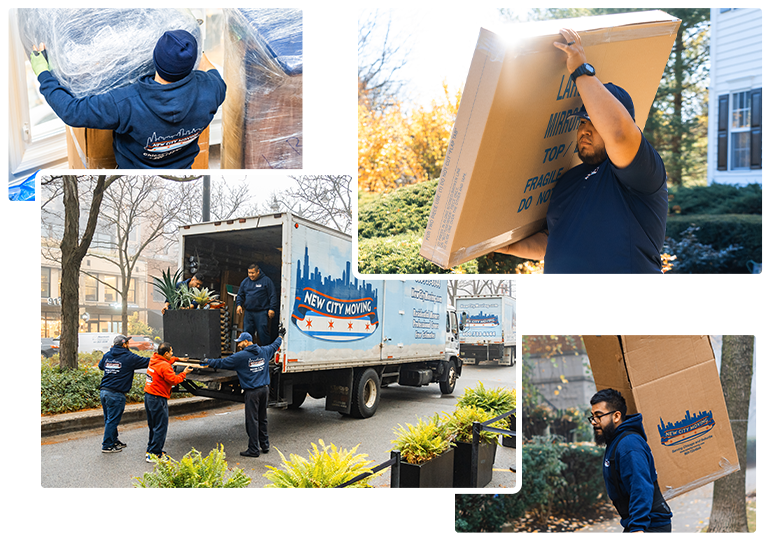
Many operations discover that investing in Local Moving minimizes the friction of long-distance transitions. These expert services manage the heavy lifting, but they likewise offer the technical oversight required to transfer delicate electronic devices. In an era where data security is paramount, the physical security of hard disk drives and servers throughout a relocation is a significant issue. Specialized packing materials and climate-controlled vehicles are now basic requirements for any company moving its primary data center or lab equipment.
Scheduling has also become more granular. To prevent interrupting company operations, lots of 2026 relocations are carried out in stages. Rather than a "big bang" move over a single weekend, business typically migrate one department at a time. This allows the IT group to concentrate on getting one group back online before transferring to the next. It likewise guarantees that client-facing services remain active throughout the transition, keeping the business's track record for reliability.
Optimizing the Worker Experience During Significant Moves
Personnels departments play a larger role in moving than ever previously. In 2026, the success of a move is determined by how rapidly workers go back to complete efficiency. Relocation packages have become more individualized, typically including help for remote employees who might require to upgrade their office to match the brand-new corporate requirements. For those needed to work in the physical office in the metro area, clear interaction is the most reliable tool for minimizing stress.
Organizations frequently pick Reliable Local Moving Service to make sure that high-value equipment stays protected during transit. This professional oversight encompasses the setup of common locations and collective zones. The 2026 office is designed for interaction, implying the placement of "hot desks" and lounge areas must be exact to encourage the spontaneous conferences that drive development. When staff members reach the new site, their workstations must be completely functional, with peripherals linked and high-speed internet active from hour one.
Providing a "welcome set" at the new location has actually become a popular trend. This may include digital maps of the local area, information on transit links near the office park, and instructions on how to utilize brand-new smart-office functions. By dealing with the move as a positive occasion rather than a task, management can maintain high spirits even throughout the inevitable hiccups that come with a change of address.
Technical Infrastructure and Connection Standards
The technical requirements for a 2026 workplace move go far beyond standard wiring. A lot of modern workplaces rely on high-density Wi-Fi 7 networks and integrated smart-building technology that manages lighting and temperature based on occupancy. Moving into a new area requires an extensive audit of the existing infrastructure in the local market. If the brand-new structure does not meet the necessary bandwidth requirements, upgrades need to be arranged well in advance of the move-in date.
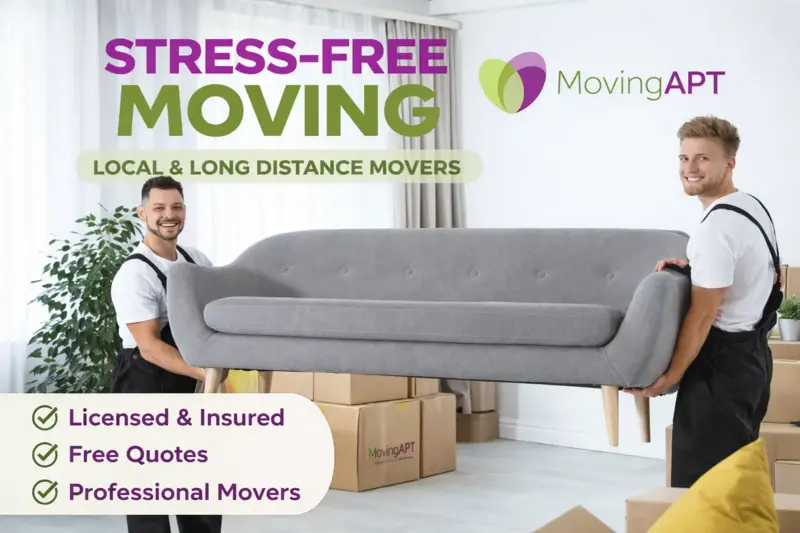
Redundancy is another crucial aspect. A lot of companies now demand having two different internet service companies at the brand-new location to avoid downtime. During the relocation, the IT group should coordinate the cut-over from the old website to the new one with surgical precision. Cloud-based systems have made this simpler, as much of the company's data is available from anywhere, however the physical hardware that supports the regional network still needs skilled handling.
Sustainability mandates in 2026 also dictate how tech is handled. Old cable televisions, out-of-date screens, and defunct peripherals must be gotten rid of according to strict e-waste policies. Numerous expert movers now provide "green" disposal services as part of their standard bundle, offering certificates of damage or recycling that companies can utilize for their ecological audits. This focus on the full lifecycle of workplace equipment is a hallmark of modern corporate responsibility.
Selecting Reliable Partners in the Local Area
Picking the ideal vendors is the last piece of the puzzle. In the regional market, the most successful moves are those where the moving company acts as an expert rather than simply a workforce. This means looking for partners who comprehend the specific obstacles of the local location, such as traffic patterns around the downtown core or the particular filling dock requirements of modern-day high-rises. A vendor who understands the local building supervisors can typically bypass administrative difficulties that would slow down an outsider.
Contracts in 2026 are increasingly based on performance metrics. Business are moving away from basic per hour rates and toward fixed-price agreements that consist of guarantees for "on-time" and "zero-damage" shipment. These arrangements frequently consist of penalties for hold-ups, which incentivizes movers to adhere to the pre-approved timeline. When vetting a partner, it prevails practice to request case research studies of similar moves within the local region to confirm their experience with particular industries, such as legal firms or biotech start-ups.
The development of business relocation reflects the broader modifications in business world. As workplaces end up being more specialized and technology becomes more integrated, the process of moving should end up being more advanced. By prioritizing information, employee well-being, and technical readiness, services can ensure that their relocate to a brand-new location in 2026 is an action towards development instead of a duration of chaos. The focus stays on preserving continuity and offering a space where teams can do their best work from the moment they walk through the door.

Table of Contents
Latest Posts
Minimizing Empty Miles: The Performance Objective for Long-Distance Movers
Safeguarding Your Legacy: Why Requirement Insurance Coverage Is Not Enough
Zero-Damage Guarantees: How Modern Equipment Avoids Household Accidents
Latest Posts
Minimizing Empty Miles: The Performance Objective for Long-Distance Movers
Safeguarding Your Legacy: Why Requirement Insurance Coverage Is Not Enough
Zero-Damage Guarantees: How Modern Equipment Avoids Household Accidents